The kickoff to the American summer travel season has arrived with an unprecedented structural paradox.
As the nation observes Memorial Day 2026, fresh mobility data reveals that a record-breaking 45 million Americans hit the roads and skies, making it the most heavily trafficked holiday weekend in history. Yet beneath this historic surge in Memorial Day travel lies a striking economic warning sign: a severe tightening of wallets that has caught major retailers completely off guard. While millions are prioritizing experiences and leisure travel, domestic consumer spending on classic holiday goods has experienced a massive contraction, signaling deep-seated anxieties over persistent inflationary pressures and skyrocketing fuel costs.
 |
| Memorial Day 2026 travel reached an all-time high with millions hitting the highways despite surging fuel prices. / Source: Unsplash |
AAA Confirms Historic 45 Million Americans Defy Sky-High Gas Prices
According to official projections released by AAA, an unprecedented 45 million Americans traveled at least 50 miles from home during the five-day holiday window ending Monday. This represents a steady climb from previous years, establishing a new historical baseline for summer mobility. Driving remained the overwhelmingly dominant mode of transit, with 39.1 million individuals taking to the highways, accounting for roughly 87% of all holiday travelers. This surge occurred despite drivers confronting a painful reality at the pump, with the national average for a gallon of regular gasoline soaring well beyond last year's figures to hover around the $4.50 mark in multiple regions, largely driven by ongoing geopolitical disruptions in the Middle East affecting global oil supplies.
The 70 Percent Retail Plunge: Shoppers Capitalize on Sales but Gut Budgets
While the highways were packed, retail cash registers told a completely different story. Data from major consumer tracking groups, including RetailMeNot, highlighted a stunning divergence in shopper behavior. Although participation in holiday sales actually grew, with 54% of American adults indicating they planned to shop compared to just 36% last year, the actual amount spent per person plummeted drastically. The average holiday consumer expenditure collapsed from $289 down to just $86, representing an astonishing 70% year-over-year decline. Consumers are intensely selective, aggressively hunting down digital coupons for basic summer apparel and beach gear while completely bypassing big-ticket items like mattresses, major appliances, and high-end patio furniture that traditionally dominate early summer clearance events.
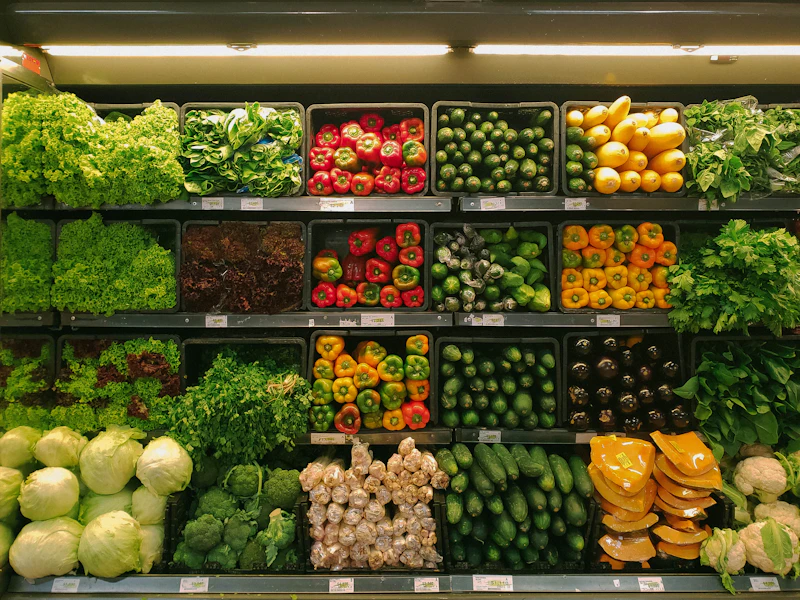 |
| Consumer spending metrics fell dramatically as inflation on holiday barbecue staples forced families to tighten budgets. / Source: Unsplash |
Barbecue Inflation Bites Hard as Backyard Staples Soar 13% On Average
The economic squeeze hit closest to home in the backyard. Families attempting to host traditional celebrations found themselves paying significantly more for fewer items, as standard holiday food staples jumped an average of 13% higher than last year, outpacing general headline inflation by a wide margin. Ground beef prices saw a steep 20% increase, while specific outdoor items like brats and hot dogs climbed 28% and 12% respectively. Even disposable plasticware and packaging costs jumped roughly 20%, driven by the rising cost of petrochemical inputs. This severe cost hike forced a major behavioral shift, with the vast majority of hosts opting for shorter events, asking guests to bring their own supplies, or strictly limiting their shopping lists to immediate essentials.
The AI Revolution in Travel Planning Reshapes Consumer Efficiency
Faced with these compounding financial headwinds, Americans turned to advanced technology to protect their vacation plans. A comprehensive consumer sentiment survey by PwC revealed that 45% of all holiday travelers utilized AI agents and automated systems to structure their itineraries, compare flight options, and find obscure hotel deals. This digital literacy trend is dictated almost entirely by younger generations, with 55% of Gen Z and 60% of Millennials aggressively deploying machine-learning algorithms to outsmart current market pricing. Those who successfully navigated the travel rush leveraged these tools to secure airfares that were, on average, 6% cheaper for early bookers, effectively turning tech integration into a vital financial shield against macro-level corporate price adjustments.
 |
| Many travelers utilized mobile apps and Generative AI tools to optimize their Memorial Day plans and budgets. |
The Experience-Over-Possession Illusion Masks Deeper Middle-Class Fatigue
The striking data points surrounding this holiday weekend expose a fundamental structural shift within the American macroeconomy. The jaw-dropping contrast between record-breaking highway congestion and a 70% collapse in per-capita retail spending proves that the modern consumer is no longer willing or able to maintain secondary retail momentum. The middle class is suffering from profound financial fatigue, choosing to allocate their thinned capital cushions exclusively toward memory-making experiences while ruthlessly starving traditional retail sectors. Businesses must urgently recognize that high foot traffic numbers no longer correlate with loose spending habits. Going into the rest of the summer season, the corporations that thrive will be those offering hyper-targeted, transparent value rather than assuming volume translates to automatic revenue growth.