Tesla EV production lines are experiencing an unprecedented disruption that is shaking the global automotive sector.
Industry insiders have confirmed that the company is systematically winding down assembly lines for its flagship premium vehicles to aggressively prioritize automated technologies. This unexpected strategic realignment has sparked intense speculation regarding whether the company is gradually exiting traditional passenger vehicle manufacturing to establish a dominant position in the artificial intelligence sector. By redirecting massive amounts of capital and physical infrastructure toward autonomous systems, Elon Musk robotics pivot represents one of the most significant corporate transformations in modern industrial history.
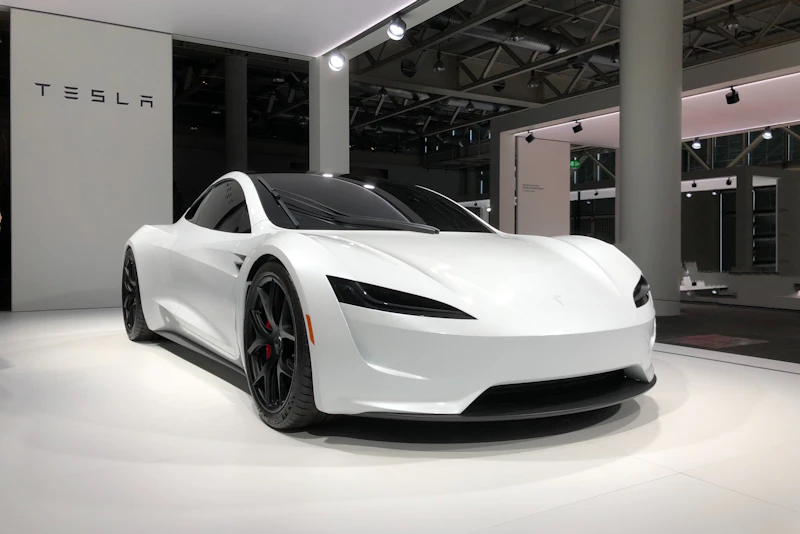 |
| Tesla EV production lines undergo a massive retooling process to support autonomous machine assembly / Source: Tesla |
The Demise of Premium Electric Cars and the Realignment of Factory Floor Space
The decision to phase out the premium sedan and sport utility vehicle segments stems from shifting market dynamics and changing consumer preferences. While these legacy models originally established the brand as a luxury pioneer, high manufacturing complexities and slowing demand have compromised their long term profitability.
Factory resources that were previously allocated to complex battery packs and low volume chassis are now being repurposed. Engineering teams are aggressively reconfiguring floor layouts to maximize spatial efficiency for next generation hardware platforms. This consolidation allows the organization to eliminate low margin operations and focus exclusively on highly scalable physical architectures.
Scaling Optimus Humanoid Robots to Revolutionize Industrial Automation
Central to this structural overhaul is the rapid acceleration of the Optimus humanoid robots program. Manufacturing facilities are transitioning into advanced breeding grounds for autonomous machinery designed to replace manual labor across various heavy industries. Executive leadership views the mass deployment of these cognitive machines as a vital milestone that will yield far greater economic returns than standard consumer transport.
By producing humanoid units at scale, the company aims to solve severe labor shortages while establishing a completely vertical supply chain for industrial automation. The reconfigured production lines will utilize proprietary cast designs and advanced actuators specifically optimized for rapid robotic assembly.
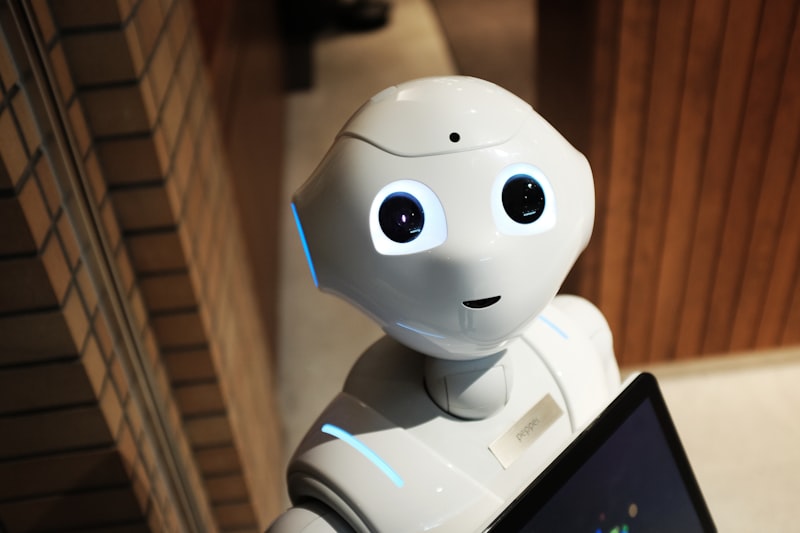 |
| Elon Musk robotics pivot accelerates as factory infrastructure shifts toward high output automation units / Source: Unsplash |
Financial Implications and Wall Street's eaction to the Autonomy First Strategy
Financial analysts remain sharply divided over the long term consequences of abandoning established vehicle segments. Short term revenue streams may experience heightened volatility as the organization transitions away from high ticket consumer products toward unproven technology markets. However, institutional investors focused on artificial intelligence point out that valuation multiples for tech conglomerates far exceed those of traditional automakers.
The reallocation of capital away from vehicle depreciation and toward scalable software and hardware integration could significantly boost operating margins. This strategic gamble relies heavily on the assumption that full self driving capabilities and machine intelligence will commercialize rapidly enough to offset the reduction in conventional automotive delivery volumes.
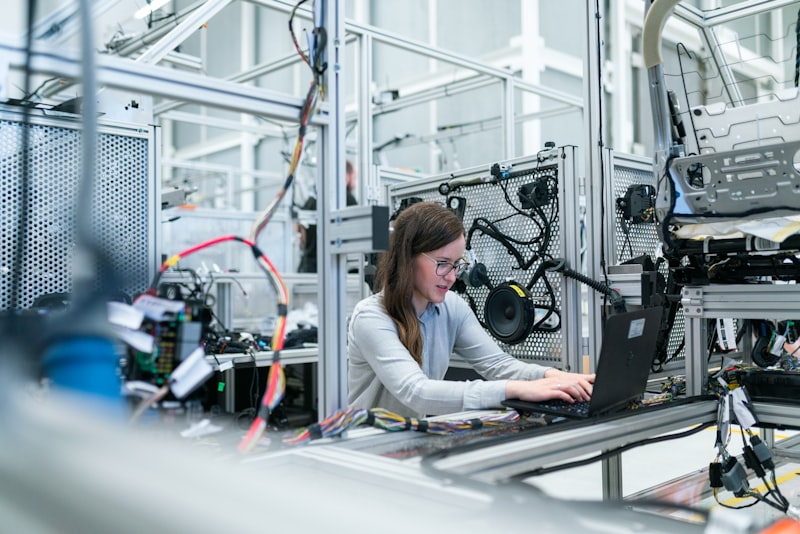 |
| Autonomous technology infrastructure forms the foundation of the newly restructured manufacturing network / Source: Unsplash |
The Sovereign Play for Absolute Physical Autonomy and the Future of AI Systems
The total overhaul of physical factories signifies that the organization was never truly an automotive company, but rather an artificial intelligence enterprise operating in disguise. Giving up established market shares in the premium vehicle sector demonstrates a calculated willingness to sacrifice near term stability for absolute dominance in the upcoming physical AI era.
The ultimate objective is to construct an interconnected ecosystem where proprietary neural networks operate seamlessly inside mobile vehicular units and humanoid systems alike. If this transition succeeds, the global manufacturing landscape will see the emergence of a self replicating automated workforce, rendering traditional industrial models completely obsolete.